
Catch Esophageal Changes Early, Before They Become Serious
Years of untreated heartburn can quietly change the lining of the esophagus. At San Diego Digestive Disease Consultants, INC, our gastroenterologists evaluate and monitor Barrett’s esophagus for patients across San Diego, Poway, Coronado and Chula Vista, so that any changes are found early and managed with a clear plan.
Request an AppointmentUnderstanding Barrett’s Esophagus
Barrett’s esophagus is a condition in which the normal tissue lining the lower esophagus is replaced by tissue similar to the lining of the intestine. It is most often linked to long-term damage from stomach acid washing back into the esophagus. Many people with Barrett’s esophagus have no symptoms of their own, which is why it is often discovered while evaluating chronic reflux.
Who Is at Higher Risk?
- People with long-standing gastroesophageal reflux disease (GERD)
- Men and adults over the age of 50
- People who are overweight, especially with excess abdominal fat
- Current or former smokers
- People with a family history of Barrett’s esophagus or esophageal cancer
Symptoms to Watch For
Barrett’s esophagus does not cause symptoms by itself. Most patients notice the symptoms of the reflux that led to it:
- Frequent or persistent heartburn
- Regurgitation of food or sour liquid
- Difficulty swallowing
- Chest discomfort unrelated to the heart
- A feeling of food sticking in the chest or throat
If you have trouble swallowing, unexplained weight loss, vomiting blood or black stools, seek medical attention promptly.
How Barrett’s Esophagus Is Diagnosed
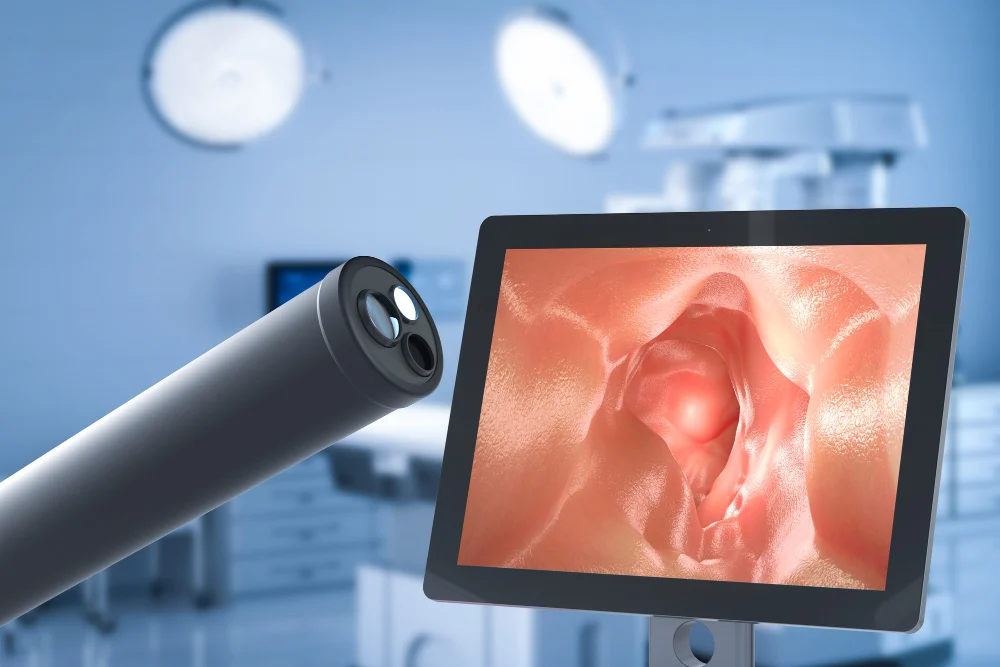
Diagnosis requires looking directly at the esophagus. During an upper endoscopy, a thin, flexible tube with a camera is passed through the mouth while you are comfortably sedated. This lets your physician see the lining of the esophagus and spot areas that look different from healthy tissue.
Small tissue samples (biopsies) are taken and examined under a microscope. The biopsy confirms whether Barrett’s esophagus is present and whether any abnormal cell changes, called dysplasia, have developed.
Treatment and Ongoing Monitoring
Care for Barrett’s esophagus depends on your biopsy results and overall health. Your gastroenterologist will talk through the plan with you, which may include:
- Acid-suppressing medication to control reflux and protect the esophagus
- Lifestyle changes such as weight management, avoiding late meals, elevating the head of the bed and quitting smoking
- Regular surveillance endoscopies with biopsies to watch for cell changes
- Endoscopic treatments to remove or treat abnormal tissue if dysplasia is found
Consistent follow-up is the most important part of managing this condition.
Barrett’s Esophagus Questions, Answered
What is Barrett’s esophagus?
Barrett’s esophagus is a change in the lining of the lower esophagus, where the normal tissue is replaced by tissue that resembles the lining of the intestine. It usually develops after years of acid reflux.
What causes Barrett’s esophagus?
The main cause is chronic gastroesophageal reflux, in which stomach acid repeatedly irritates the esophagus. Over time, the body replaces damaged tissue with a different type of lining. Age, sex, weight, smoking and family history can all raise the risk.
Does Barrett’s esophagus cause symptoms?
Not on its own. Most people only notice the symptoms of reflux, such as heartburn, regurgitation or trouble swallowing. Some people with Barrett’s esophagus have no symptoms at all, which is why screening is discussed with patients who have long-term reflux.
How is Barrett’s esophagus diagnosed?
It is diagnosed with an upper endoscopy and biopsy. Your physician examines the esophagus with a camera, takes small tissue samples and sends them for laboratory analysis to confirm the diagnosis and check for abnormal cells.
Does Barrett’s esophagus lead to cancer?
Barrett’s esophagus raises the risk of esophageal cancer, but most people with the condition never develop it. Regular monitoring allows precancerous changes to be found and treated early.
Can Barrett’s esophagus be treated?
Yes. Treatment typically focuses on controlling acid reflux with medication and lifestyle changes, along with regular surveillance. If abnormal cell changes are found, additional endoscopic treatment options can be discussed with your gastroenterologist.
How often will I need follow-up endoscopies?
The schedule depends on your biopsy results and individual risk factors. Your gastroenterologist will recommend a follow-up interval that is right for you and adjust it if anything changes.
Don’t Ignore Years of Heartburn
If you have long-term reflux or have been told you may have Barrett’s esophagus, schedule a visit at our San Diego, Poway, Coronado or Chula Vista office to talk about evaluation and monitoring.