
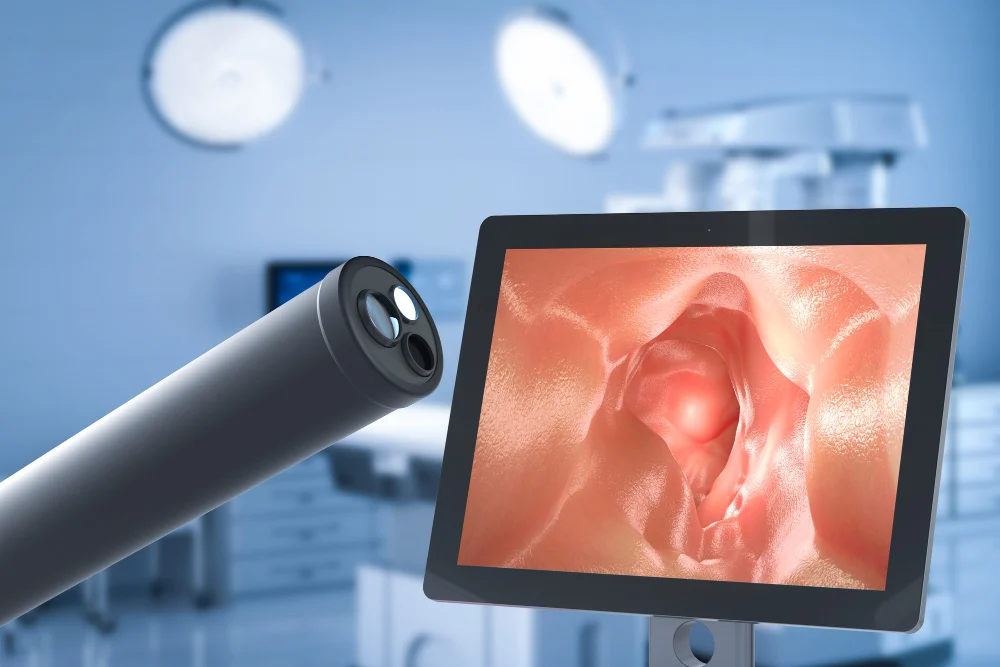
Find Out What Is Behind Your Heartburn, Swallowing Trouble or Chest Discomfort
Persistent reflux, food sticking in your throat or unexplained chest pain should not be ignored. At San Diego Digestive Disease Consultants, INC, our gastroenterologists use esophageal testing to look closely at how your esophagus is working and to find the cause of your symptoms. Patients visit us from San Diego, Poway, Coronado, Chula Vista and communities across San Diego County.
Request an AppointmentWhy Esophageal Testing Matters
The esophagus is the muscular tube that carries food and liquid from your throat to your stomach. When it does not work properly, you may feel burning, pressure, pain or the sensation that food is not going down. Symptoms alone do not always show whether the cause is acid reflux, a muscle movement problem, narrowing of the esophagus or something else. Testing gives your physician objective information so treatment can be matched to what is actually happening.
Symptoms That May Call for Testing
- Frequent heartburn or acid regurgitation
- Difficulty swallowing or the feeling that food is stuck
- Pain when swallowing
- Chest pain that is not related to the heart
- A chronic cough or hoarseness that may be linked to reflux
- Symptoms that continue despite medication
Types of Esophageal Tests
The right test depends on your symptoms and medical history. Your gastroenterologist will explain which of these may be appropriate for you:
- Upper endoscopy to view the lining of the esophagus directly and, when needed, take tissue samples. Learn more about upper endoscopy.
- Esophageal manometry to measure the pressure and coordination of the muscle contractions that move food toward the stomach.
- pH monitoring to measure how often stomach acid backs up into the esophagus over a period of time.
- Barium swallow imaging to outline the esophagus on X-ray and look for narrowing or structural changes.
Conditions Testing Can Help Evaluate
Esophageal testing is commonly used to evaluate gastroesophageal reflux disease (GERD), swallowing disorders, inflammation and narrowing of the esophagus. It can also help determine whether long-term reflux has led to changes in the esophageal lining, such as Barrett’s esophagus. If a narrowed area is found, treatment such as esophageal dilation may be discussed.
What to Expect
Before your test, our team will give you instructions specific to the procedure. These may include when to stop eating and drinking and whether any of your medications need to be adjusted. Be sure to tell us about all medications and supplements you take, as well as any allergies. After testing, your gastroenterologist will review the findings with you, explain what they mean and recommend next steps, whether that is lifestyle changes, medication or further treatment.
Esophageal Testing FAQs
What is esophageal testing?
Esophageal testing is a group of diagnostic procedures that evaluate the structure and function of the esophagus. These tests help your gastroenterologist find the cause of symptoms such as heartburn, trouble swallowing and chest pain.
Who should have esophageal testing?
Testing may be recommended if you have frequent reflux, difficulty or pain with swallowing, non-cardiac chest pain, or symptoms that do not improve with medication. Your physician will decide whether testing is right for you after reviewing your symptoms and history.
What are the different types of esophageal tests?
Common tests include upper endoscopy, esophageal manometry, pH monitoring and barium swallow imaging. Each looks at a different aspect of esophageal health, and your gastroenterologist will choose the one that best fits your situation.
How do I prepare for esophageal testing?
Preparation depends on the test. You will usually be asked to avoid food and drink for a set time beforehand, and you may need to adjust certain medications. Our team will give you specific instructions when your test is scheduled.
Is esophageal testing painful?
Many patients experience mild discomfort or a temporary gagging sensation, depending on the test. Your care team will explain what you will feel and will take steps to help you stay comfortable during the procedure.
When will I get my results?
Your gastroenterologist will usually discuss initial findings with you after the procedure. If tissue samples are taken or additional review is needed, our office will follow up with you about the results and your treatment options.
Which San Diego County offices offer esophageal testing?
San Diego Digestive Disease Consultants sees patients at offices in San Diego, Poway, Coronado and Chula Vista. Contact the office most convenient for you to schedule an evaluation.
Take the First Step Toward Relief
You do not have to keep guessing about your symptoms. Schedule a visit with one of our gastroenterologists to talk about whether esophageal testing is right for you. You can also browse our full list of gastroenterology services.