
Catch Problems Early and Get Clear Answers
A colonoscopy lets your gastroenterologist look directly at the lining of your colon and rectum. At San Diego Digestive Disease Consultants, INC, we perform colonoscopy for patients across San Diego, Poway, Coronado and Chula Vista, both to screen for colon cancer and to find the cause of digestive symptoms.
Request an AppointmentWhat Is a Colonoscopy?
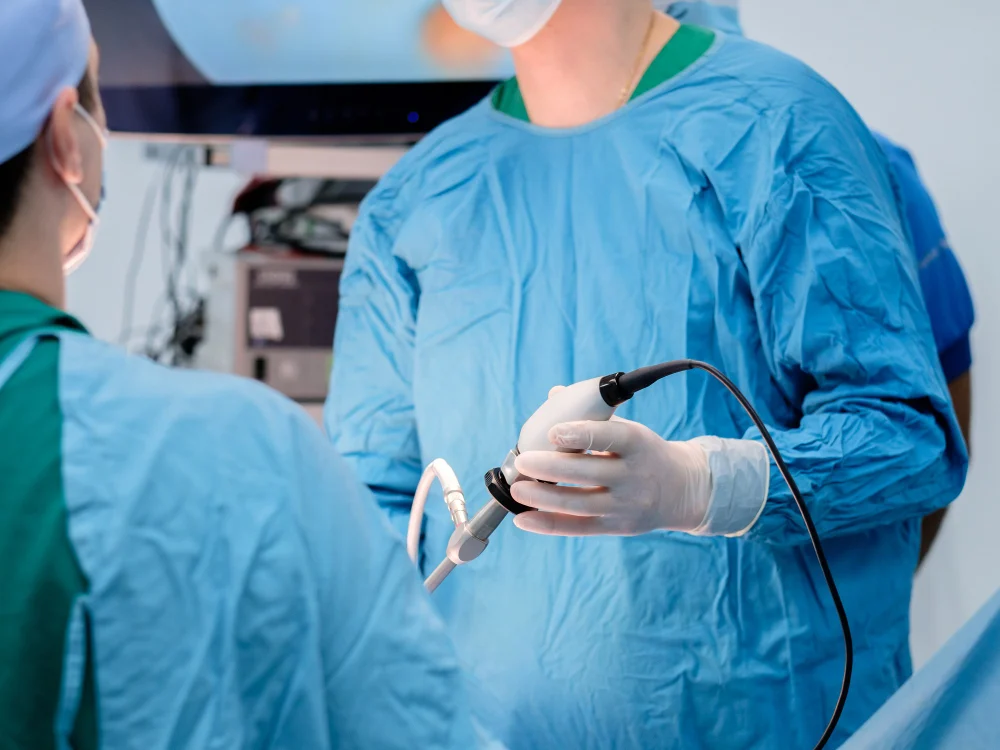
A colonoscopy is an outpatient procedure in which a physician guides a thin, flexible tube with a small camera through the rectum and into the colon. The camera sends clear images to a monitor, so your doctor can check the entire large intestine for abnormal tissue, inflammation, bleeding and growths. If something looks unusual, instruments passed through the scope can often take a small tissue sample (biopsy) or remove a growth during the same visit.
Why Your Doctor May Recommend One
Colonoscopy is used for two main purposes: prevention and diagnosis.
- Colon cancer screening, which can find cancer early and detect polyps before they have the chance to become cancerous
- Follow-up surveillance for patients with a history of polyps or a family history of colon cancer
- Evaluation of ongoing changes in bowel habits, such as persistent diarrhea or constipation
- Investigating rectal bleeding, blood in the stool or unexplained anemia
- Persistent abdominal pain or unexplained weight loss
- Assessing conditions such as inflammatory bowel disease or diverticulosis
Your physician will talk with you about when screening should begin and how often you should repeat it, based on your age, personal health history and family history.
How to Prepare
A successful colonoscopy depends on a clean colon. Before your procedure, you will receive written instructions from our office. In general, preparation includes:
- Following a clear liquid diet for a period before the exam
- Taking a prescribed bowel preparation to empty the colon
- Reviewing your medications with your doctor, especially blood thinners, diabetes medications and supplements
- Arranging for a responsible adult to take you home afterward
Follow the instructions you are given exactly, since an incomplete prep can make it harder to see the colon lining and may mean the exam has to be repeated. If you have questions about your prep, our team is glad to help.
What to Expect During the Procedure
Colonoscopy is performed with sedation so that you stay comfortable. You will lie on your side while the physician gently advances the scope through your colon, examining the lining as it moves. Any polyps or suspicious areas can usually be removed or biopsied at that time, and the tissue is sent to a laboratory for analysis. The procedure itself generally takes under an hour, and you will rest in a recovery area afterward while the sedation wears off.
After Your Colonoscopy
Because of the sedation, you should not drive or make important decisions for the rest of the day. It is common to feel mild bloating or gas as the air used during the exam passes. Most patients are able to eat normally and return to regular activities the next day. Your doctor will review the findings with you and let you know when biopsy results will be available and when your next screening should be scheduled.
Call your doctor promptly if you experience severe abdominal pain, a fever, or significant rectal bleeding after the procedure.
Related Procedures
Depending on your symptoms, your doctor may also recommend a flexible sigmoidoscopy, which examines the lower portion of the colon, or an upper endoscopy, which evaluates the esophagus, stomach and first part of the small intestine.
Four Convenient Offices
You can have your consultation and follow-up care at any of our locations: San Diego, Poway, Coronado or Chula Vista. If you are a first-time patient, visit our new patients page to see what to bring and how to get started.
Colonoscopy Questions Answered
Does a colonoscopy hurt?
Colonoscopy is performed with sedation, so most patients feel relaxed and comfortable and have little or no memory of the exam. Some mild cramping or bloating can occur afterward as the air from the procedure passes, but it usually fades quickly.
How often do I need a colonoscopy?
The timing depends on your age, personal health history, family history and the findings of any previous exams. Your gastroenterologist will recommend a screening schedule that fits your individual risk, and it may be shorter if polyps were found previously.
How long does a colonoscopy take?
The exam itself generally takes under an hour. Plan on additional time for check-in, sedation and recovery, since you will need to rest until the medication wears off before going home.
What happens if a polyp is found?
Most polyps can be removed during the colonoscopy itself, so you usually do not need a separate procedure. The removed tissue is sent to a laboratory for testing, and your doctor will explain the results and any follow-up needed.
Can I eat before a colonoscopy?
You will follow a special diet before the exam, typically moving to clear liquids, and take a bowel preparation to clean out the colon. Your written instructions will give you the exact timing, and following them closely helps ensure your doctor can see the colon clearly.
Will I need someone to drive me home?
Yes. Because sedation affects your alertness and reflexes, you will need a responsible adult to take you home. You should also avoid driving and important decisions for the rest of the day.
When should I call the doctor after a colonoscopy?
Contact your doctor right away if you have severe abdominal pain, a fever, or heavy rectal bleeding after your procedure. Mild gas and bloating are common and typically pass on their own.
Take the Next Step Toward Digestive Peace of Mind
Whether you are due for a screening or have symptoms you want checked, our gastroenterology team is here to help. Reach out to schedule your colonoscopy consultation at the San Diego County office that is most convenient for you.