
Answers for Heartburn, Swallowing Trouble and Stomach Pain
When upper digestive symptoms won’t go away, a direct look inside the esophagus, stomach and small intestine can show what is going on. At San Diego Digestive Disease Consultants, INC, our gastroenterologists perform upper endoscopy for patients across San Diego, Poway, Coronado and Chula Vista, so you can get a clear diagnosis and a plan for relief.
Request an AppointmentWhat Is an Upper Endoscopy?
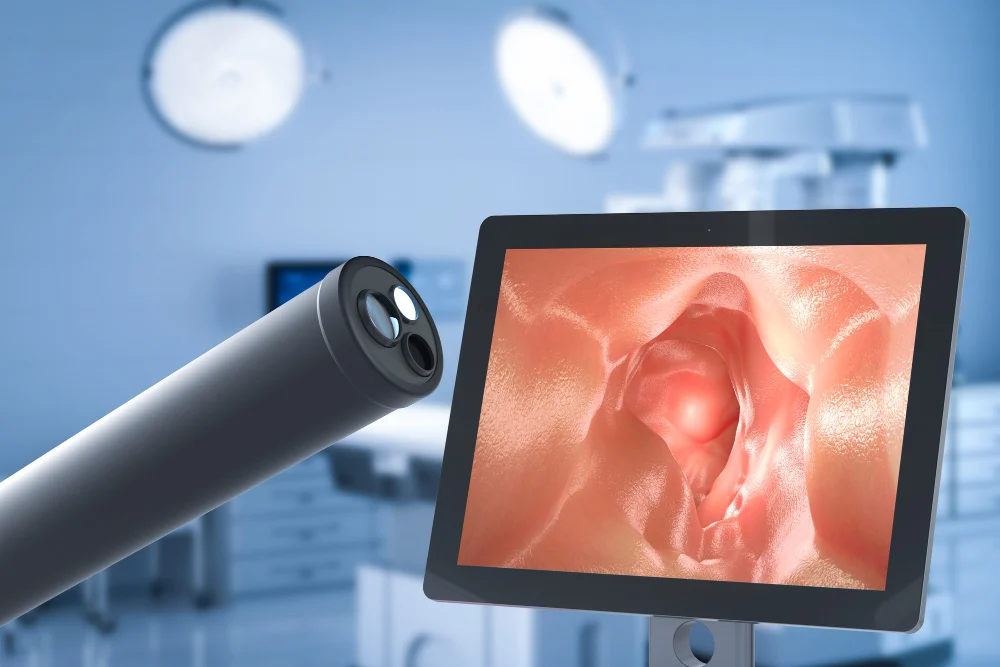
An upper endoscopy, also called an EGD (esophagogastroduodenoscopy), is a procedure that lets your gastroenterologist examine the lining of the upper digestive tract. A thin, flexible tube with a tiny camera and light, called an endoscope, is passed gently through the mouth. It travels down the esophagus, into the stomach and on to the first part of the small intestine (the duodenum). The images appear on a monitor so your doctor can look closely for inflammation, ulcers, abnormal growths and other changes.
Why Your Doctor May Recommend It
Upper endoscopy is commonly used to find the cause of symptoms and to check or treat known conditions. You may be a candidate if you have:
- Frequent heartburn or acid reflux that doesn’t improve with medication
- Difficulty or pain when swallowing, or food that feels stuck
- Ongoing upper abdominal pain, nausea or vomiting
- Unexplained weight loss or loss of appetite
- Signs of bleeding, such as black stools or vomiting blood
- Anemia without a clear cause
What an Upper Endoscopy Can Find or Treat
Your gastroenterologist can identify a range of conditions during the exam, including:
- Inflammation of the esophagus, stomach or duodenum
- Ulcers and sources of bleeding
- Narrowing of the esophagus that may need esophageal dilation
- Changes linked to gastroesophageal reflux disease (GERD)
- Cell changes in the esophagus, such as Barrett’s esophagus
- Growths or other abnormal areas
If something unusual is seen, small tissue samples (biopsies) can be taken during the same procedure for further testing. Some problems can also be treated during the exam.
How to Prepare
Your care team will give you instructions before your procedure. In general, you will be asked to stop eating and drinking for a set number of hours beforehand so the stomach is empty and your doctor has a clear view. Tell us about all medications and supplements you take, especially blood thinners and diabetes medications, as some may need to be adjusted. Because sedation is often used, plan to have a responsible adult take you home afterward.
What to Expect During and After the Procedure
Most patients receive medication to help them relax and stay comfortable. Your throat may be numbed, and you will be monitored throughout the exam. The procedure itself is usually brief, and the endoscope does not interfere with your breathing. Afterward, you will rest while the sedation wears off. It’s common to have a mild sore throat or a bloated feeling for a short time. Your doctor will explain the findings and let you know when to expect any biopsy results and what follow-up is needed.
Related Diagnostic Options
Depending on your symptoms, your doctor may suggest other procedures along with or instead of an upper endoscopy, such as endoscopic ultrasonography, esophageal testing or capsule endoscopy. You can see everything we offer on our services page.
Upper Endoscopy Frequently Asked Questions
Is an upper endoscopy painful?
Most patients are given sedation and feel relaxed and comfortable during the exam. Afterward, some people notice a mild sore throat or a bloated feeling, which usually passes quickly.
How long does an upper endoscopy take?
The exam itself is typically short. Plan for additional time before and after for check-in, sedation and recovery, and ask our office what to expect for your appointment.
Do I need to fast before the procedure?
Yes. You will be asked to avoid food and drink for a set period beforehand so your stomach is empty and your doctor can see clearly. Our team will give you specific instructions for your procedure.
Will I need someone to drive me home?
If you receive sedation, you should arrange for a responsible adult to take you home and stay with you as needed. You should not drive until the effects have worn off.
What symptoms might lead to an upper endoscopy?
Persistent heartburn, trouble swallowing, ongoing upper abdominal pain, nausea or vomiting, unexplained weight loss, anemia and signs of bleeding are common reasons for this exam.
Can biopsies be taken during an upper endoscopy?
Yes. If your doctor sees an area that needs a closer look, small tissue samples can be collected during the same procedure and sent for analysis.
Which of your offices perform upper endoscopy?
We see patients at our offices in San Diego, Poway, Coronado and Chula Vista. Contact us to schedule a visit and learn where your procedure can be arranged.
Take the Next Step Toward Digestive Relief
If you have symptoms that point to a problem in your upper digestive tract, our gastroenterologists are ready to help. Request an appointment at our San Diego, Poway, Coronado or Chula Vista office today.