
Clear answers and treatment for bile duct and pancreas problems
Yellowing skin, upper abdominal pain, or unexplained pancreatitis can be worrying. At San Diego Digestive Disease Consultants, INC, our gastroenterologists use endoscopic retrograde cholangiopancreatography (ERCP) to find and often treat the cause in a single procedure. We see patients in San Diego, Poway, Coronado, and Chula Vista.
Request an AppointmentWhat Is ERCP?
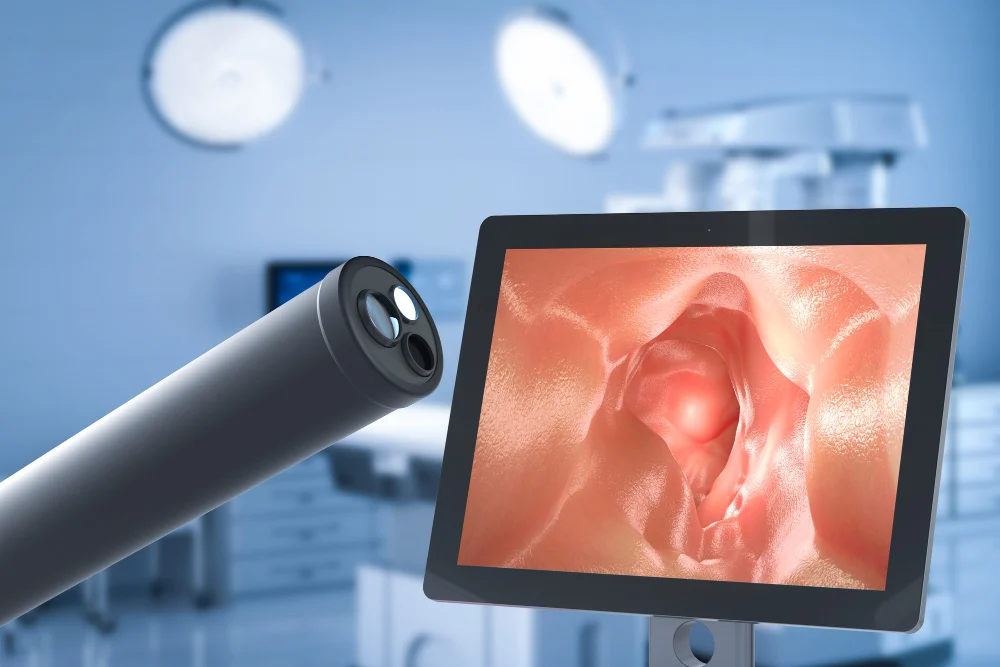
ERCP is a specialized procedure that combines upper endoscopy with X-ray imaging. A thin, flexible tube with a light and camera is passed through the mouth, esophagus, and stomach into the first part of the small intestine. From there, your gastroenterologist can guide a small catheter into the bile ducts and pancreatic duct, inject contrast dye, and take X-ray images to see how these channels are working.
ERCP is both a diagnostic and a treatment tool. When a blockage or narrowing is found, it can often be addressed during the same procedure, which may spare you a separate surgery. If you have not had a standard upper exam before, you can read about upper endoscopy to see how the first part of the procedure works.
Conditions ERCP Can Help Diagnose or Treat
- Gallstones that have moved into the bile duct
- Narrowing or strictures of the bile or pancreatic ducts
- Blockages that cause jaundice, dark urine, or pale stools
- Bile leaks after gallbladder or other abdominal surgery
- Pancreatitis, including recurrent or unexplained episodes
- Cysts, growths, or tumors involving the bile ducts or pancreas
- Abnormal liver tests or imaging that point to a duct problem
What ERCP Can Do During the Procedure
- Remove stones from the bile duct
- Widen a narrowed duct with a balloon or a small cut to the duct opening (sphincterotomy)
- Place a stent to keep a duct open and allow bile or pancreatic fluid to drain
- Collect tissue samples (biopsies) for testing
- Provide detailed images of the ducts when other tests are not conclusive
In some cases, your doctor may recommend endoscopic ultrasonography first to get a closer look at the pancreas and bile ducts and decide whether ERCP is needed.
How to Prepare for ERCP
- Follow your fasting instructions. You will generally need an empty stomach for several hours before the procedure.
- Tell us about all medications and supplements, especially blood thinners and diabetes medications, so we can advise you on any changes.
- Let us know about allergies, including allergies to contrast dye, iodine, or latex.
- Share your full medical history, including any heart or lung conditions and prior surgeries.
- Arrange for a responsible adult to drive you home, since sedation is used.
What to Expect
You will receive sedation so you are comfortable during the procedure. Your gastroenterologist guides the endoscope to the small intestine, places the catheter into the duct opening, and uses X-ray imaging to view the ducts. Any needed treatment, such as stone removal or stent placement, is done at that time. Afterward you are monitored while the sedation wears off.
It is common to have a mild sore throat, bloating, or gas afterward. Most people return to normal activities within a day or so, but your care team will give you specific instructions. Call us promptly if you develop severe abdominal pain, fever, chills, vomiting, black stools, or trouble swallowing after ERCP.
Risks of ERCP
ERCP is generally safe when performed by experienced specialists, but like any procedure it carries some risk. The most common complication is inflammation of the pancreas (pancreatitis). Less common risks include infection, bleeding, a tear in the intestinal wall, and reactions to sedation or contrast dye. Your doctor will review these risks with you, explain why ERCP is recommended in your situation, and answer your questions before the procedure.
Care Close to Home Across San Diego County
Our gastroenterology offices in San Diego, Poway, Coronado, and Chula Vista offer the same level of care. Explore our full range of gastroenterology services, or see our new patient information to prepare for your first visit.
Frequently Asked Questions About ERCP
What does ERCP stand for?
ERCP stands for endoscopic retrograde cholangiopancreatography. It is a procedure that uses an endoscope and X-ray imaging to examine and treat the bile ducts and pancreatic duct.
Why would I need an ERCP?
Your doctor may recommend ERCP if you have signs of a bile duct or pancreatic problem, such as jaundice, upper abdominal pain, abnormal liver tests, gallstones in the bile duct, or repeated episodes of pancreatitis. It can also be used to treat a problem that other tests have identified.
Is ERCP painful?
You will be given sedation during the procedure, so most patients feel relaxed and do not remember it. Afterward, you may have a sore throat, bloating, or mild cramping for a short time.
How long does an ERCP take?
The length varies depending on what is found and whether treatment is needed. Plan on several hours in total at the facility to allow for preparation, the procedure, and recovery while the sedation wears off.
How should I prepare for ERCP?
You will need to fast for several hours beforehand, review your medications with our team (especially blood thinners and diabetes medications), and tell us about any allergies. You will also need someone to drive you home afterward.
What are the risks of ERCP?
The most common complication is pancreatitis. Other risks include infection, bleeding, a tear in the intestinal wall, and reactions to sedation or dye. Your gastroenterologist will explain these risks and how they apply to you before the procedure.
When can I return to normal activities after ERCP?
Most patients resume normal activities within a day or so, though you should not drive, work, or make important decisions for the rest of the day because of the sedation. Contact us right away if you have severe pain, fever, vomiting, or black stools.
Take the Next Step Toward Answers
If you have symptoms that may point to a bile duct or pancreas problem, or your doctor has recommended ERCP, our team is ready to help at our San Diego, Poway, Coronado, and Chula Vista offices. Schedule a visit to talk through your options.