
Get Back to Swallowing Comfortably
When food feels stuck or swallowing becomes painful, everyday meals can turn into a source of worry. At San Diego Digestive Disease Consultants, INC, our gastroenterologists perform esophageal dilation to gently widen a narrowed esophagus. We see patients at our San Diego, Poway, Coronado and Chula Vista offices.
Request an AppointmentWhat Is Esophageal Dilation?
The esophagus is the muscular tube that carries food and liquid from your throat to your stomach. If part of it becomes narrowed, swallowing can become difficult or uncomfortable. Esophageal dilation is a procedure that stretches the narrowed area so food and liquid can pass more easily.
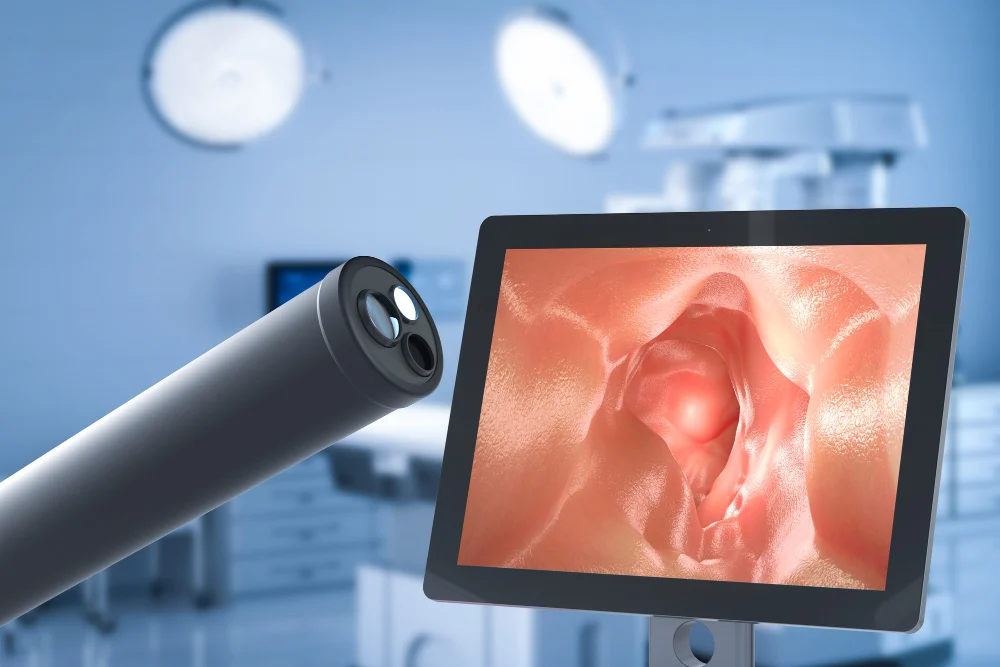
The procedure is usually done with an endoscope, a thin, flexible tube with a light and camera. This lets your physician see the lining of the esophagus while the narrowed area is widened. Many patients notice improved swallowing soon after treatment.
Why Might the Esophagus Become Narrow?
Several conditions can cause the esophagus to narrow or make swallowing difficult, including:
- Scar tissue (strictures) caused by long-standing acid reflux. Learn more about gastroesophageal reflux disease.
- Rings or webs of tissue that form in the lower esophagus
- Inflammation of the esophagus, such as eosinophilic esophagitis
- Scarring from prior injury, surgery or radiation treatment
- Certain esophageal conditions, including complications related to Barrett’s esophagus
Symptoms That May Point to a Narrowed Esophagus
- Difficulty swallowing solid foods or, in some cases, liquids
- A feeling that food is stuck in the throat or chest
- Pain when swallowing
- Frequent regurgitation of food
- Repeated choking or coughing while eating
- Unintended weight loss from eating less
If you have any of these symptoms, your gastroenterologist may recommend an upper endoscopy or esophageal testing first, to find the cause and decide whether dilation is the right treatment.
What to Expect During the Procedure
Your care team will give you detailed instructions before your visit. In general, you will be asked to avoid eating and drinking for a set period beforehand, and to review your medications with us, especially blood thinners.
- You will receive sedation to help you stay relaxed and comfortable.
- The endoscope is gently guided through the mouth and into the esophagus.
- Your physician widens the narrowed area using a balloon or graduated dilators, depending on what is best for your situation.
- The area is checked afterward, and a small tissue sample may be taken if needed.
The procedure itself is usually brief. After a period of observation, you will go home with instructions on when to resume eating and drinking. Because of the sedation, you will need someone to drive you home.
Recovery and Follow-Up
Most patients can return to normal activities the following day. A mild sore throat or chest discomfort is common for a short time. Some people need more than one session to reach the best result, particularly when the narrowing is caused by ongoing reflux or inflammation. Treating the underlying cause, such as with reflux management, helps lower the chance of the narrowing returning.
Call us right away or seek urgent care if you develop severe chest pain, fever, trouble breathing, vomiting or black stools after the procedure. Serious complications such as bleeding or a tear in the esophagus are uncommon, and your physician will review all risks and benefits with you beforehand.
Care Close to Home Across San Diego County
Our practice has four equal locations, so you can choose the office that is most convenient for you: San Diego, Poway, Coronado and Chula Vista. If you are new to our practice, visit our new patients page to see how to get started, or browse all of our gastroenterology services.
Esophageal Dilation Questions, Answered
What is esophageal dilation?
Esophageal dilation is a procedure that stretches a narrowed part of the esophagus. It is done with an endoscope and a balloon or dilator so that food and liquid can pass more easily.
Who may need esophageal dilation?
People who have trouble swallowing because of strictures, rings, webs or inflammation in the esophagus may be candidates. Your gastroenterologist will evaluate your symptoms and test results to decide whether dilation is appropriate.
Is esophageal dilation painful?
You receive sedation during the procedure, so most patients are comfortable and relaxed. Afterward, a mild sore throat or chest discomfort is common but usually passes within a short time.
How long does the procedure take?
The dilation itself is typically brief. Plan for additional time for check-in, sedation and recovery, and arrange for someone to drive you home afterward.
How should I prepare for esophageal dilation?
You will usually be asked to stop eating and drinking for a set time before the procedure. You should also tell us about all medications you take, especially blood thinners, and follow the specific instructions given by our office.
Will I need more than one dilation?
Some patients do. Narrowing from long-term acid reflux or inflammation can return, so treatment may be repeated in stages. Managing the underlying condition helps reduce the chance of recurrence.
What are the risks of esophageal dilation?
Complications are uncommon, but they can include bleeding, infection or a tear in the esophagus. Your physician will go over the risks and benefits with you before the procedure and tell you which warning signs to watch for afterward.
Ready to Make Swallowing Easier?
Don’t let trouble swallowing keep getting in the way of meals and daily life. Contact San Diego Digestive Disease Consultants, INC to schedule a visit at our San Diego, Poway, Coronado or Chula Vista office, and we will help you find the cause and the right treatment.