
A Closer Look at What Standard Imaging Can Miss
When symptoms or test results point to a problem deep in the digestive tract, a clear picture makes all the difference. At San Diego Digestive Disease Consultants, INC, our gastroenterologists use endoscopic ultrasonography (EUS) to see the walls of the digestive tract and nearby organs in detail. We care for patients across San Diego County from our offices in San Diego, Poway, Coronado and Chula Vista.
Request an AppointmentWhat Is Endoscopic Ultrasonography?
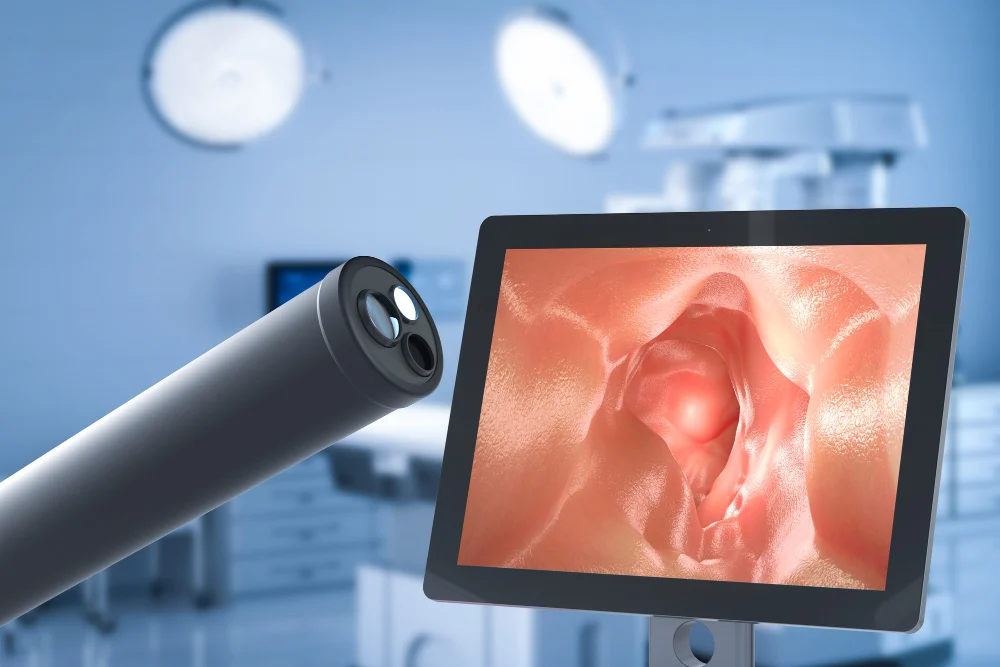
Endoscopic ultrasonography, often called EUS or endoscopic ultrasound, combines two technologies: endoscopy and ultrasound. A thin, flexible tube with a small ultrasound probe at its tip is passed through the mouth or rectum. The probe uses high-frequency sound waves to create detailed images of the lining and deeper layers of the digestive tract, along with nearby organs and structures.
Because the probe sits so close to the area being examined, EUS can often produce clearer images than ultrasound or scans performed from outside the body. It is an important tool for diagnosing and evaluating many digestive and related conditions.
Why Your Doctor May Recommend EUS
Your gastroenterologist may suggest endoscopic ultrasonography to:
- Investigate the cause of abdominal pain that has not been explained by other tests
- Take a closer look at the pancreas, bile ducts and gallbladder
- Evaluate abnormal findings from a CT scan, MRI or other imaging study
- Examine growths, masses or lesions in the esophagus, stomach, small intestine or rectum
- Assess the depth of abnormal tissue in the wall of the digestive tract
- Check for enlarged lymph nodes near the digestive tract
- Collect a tissue sample for testing when a closer look is needed
How EUS Works
Like other endoscopic procedures, EUS is performed by a gastroenterologist using a flexible, lighted instrument. Sedation is typically used to help you stay comfortable during the exam. As the endoscope is guided through the digestive tract, the ultrasound probe sends out sound waves and produces real-time images on a monitor.
If your doctor needs to learn more about an area of concern, a fine needle can be passed through the endoscope to collect cells or fluid for laboratory analysis. This is done under ultrasound guidance so the needle can reach the target area precisely.
Preparing for Your Procedure
Your care team will give you instructions specific to your exam. In general, preparation may include:
- Fasting for a set period before the procedure so the stomach is empty
- Reviewing your medications, especially blood thinners, diabetes medicines and supplements, with your doctor
- Following any additional bowel preparation instructions if the lower digestive tract will be examined
- Arranging for a responsible adult to drive you home after sedation
Be sure to tell us about any allergies, existing health conditions and prior reactions to anesthesia or sedation.
After the Exam
After EUS, you will be monitored while the sedation wears off. You may feel drowsy, and some patients have a mild sore throat or a feeling of bloating for a short time. Your doctor will explain what was seen and discuss next steps. If a tissue sample was taken, results will be shared once they are available.
Related Services
EUS is often used alongside other procedures we offer. Depending on your symptoms, your doctor may also discuss upper endoscopy or endoscopic retrograde cholangiopancreatography (ERCP). You can also browse all of our gastroenterology services.
Endoscopic Ultrasonography FAQs
What is the difference between EUS and a regular endoscopy?
A standard endoscopy uses a camera to view the surface lining of the digestive tract. EUS adds an ultrasound probe, which allows your doctor to see beneath the surface, into the layers of the wall and the organs nearby, such as the pancreas and bile ducts.
Is endoscopic ultrasonography painful?
EUS is performed with sedation, so most patients are comfortable and have little or no memory of the procedure. Afterward, some people notice a mild sore throat or bloating that usually passes quickly.
How long does an EUS procedure take?
The length of the exam depends on what your doctor needs to examine and whether a tissue sample is taken. You should plan for additional time for check-in, sedation and recovery. Our team will give you an idea of what to expect when scheduling.
Do I need someone to drive me home?
Yes. Because sedation is used, you will need a responsible adult to take you home and stay with you as needed. You should not drive or make important decisions for the rest of the day.
How should I prepare for EUS?
Preparation usually includes fasting before the exam and reviewing your medications with your doctor. If your lower digestive tract will be examined, you may also need a bowel preparation. Our team will provide written instructions before your procedure.
Can EUS be used to take a biopsy?
Yes. When your doctor needs more information, a thin needle can be guided through the endoscope under ultrasound imaging to collect cells or fluid from the area of concern for laboratory testing.
Which offices perform consultations for EUS?
You can schedule a consultation at any of our four offices in San Diego, Poway, Coronado and Chula Vista. Our team will help you choose the location that is most convenient for you.
Talk With a Gastroenterologist About Your Symptoms
If you have been advised to have endoscopic ultrasonography, or you are looking for answers to ongoing digestive concerns, our team is here to help. Reach out to schedule a visit at the San Diego, Poway, Coronado or Chula Vista office.