
A Focused Look at the Lower Colon When You Need Answers
Lower abdominal discomfort, changes in bowel habits, or a screening test that came back abnormal can leave you wanting clear answers quickly. At San Diego Digestive Disease Consultants, INC, our gastroenterologists perform flexible sigmoidoscopy for patients across San Diego County, including those near our San Diego, Poway, Coronado, and Chula Vista offices. This short exam lets your doctor look directly at the rectum and lower colon to find the cause of symptoms and check for early warning signs.
Request an AppointmentWhat Is a Flexible Sigmoidoscopy?
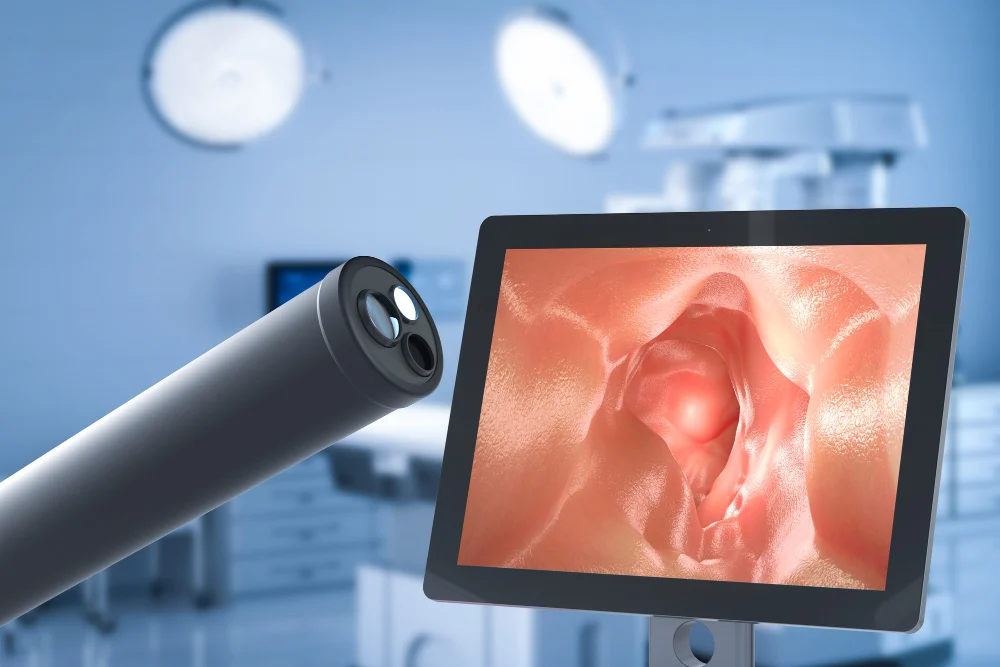
A flexible sigmoidoscopy is an endoscopic procedure that allows your gastroenterologist to examine the inside of the rectum and the sigmoid colon, the lower portion of the large intestine. A thin, flexible tube with a light and a tiny camera is gently guided through the rectum, and the images appear on a monitor so your doctor can closely inspect the lining of the bowel.
Because the exam focuses on the lower part of the colon, it is generally shorter and requires less preparation than a full colonoscopy. It is one of several tools we use to evaluate digestive symptoms and screen for colorectal conditions.
Why Your Doctor May Recommend This Exam
Flexible sigmoidoscopy may be recommended to:
- Investigate the cause of lower abdominal pain, cramping, or bloating
- Evaluate persistent diarrhea, constipation, or other changes in bowel habits
- Look for the source of rectal bleeding or blood in the stool
- Identify inflammation, irritation, ulcers, or hemorrhoids in the lower bowel
- Find and evaluate polyps or other abnormal growths in the rectum and sigmoid colon
- Screen for colorectal cancer, as part of a screening plan your doctor tailors to you
How to Prepare
Your care team will give you specific instructions before your appointment. In general, the lower colon needs to be clear so your doctor can see the lining well. Preparation commonly includes:
- Following a clear liquid diet for a period before the exam, if directed
- Using an enema or another bowel preparation as instructed
- Reviewing your medications, including blood thinners, diabetes medications, and supplements, with your doctor
- Arranging a ride home if sedation will be used
Always follow the instructions you receive from our office, since they are based on your health history and the type of exam planned.
What to Expect During the Procedure
You will lie on your side while the physician gently inserts the lubricated scope. A small amount of air may be introduced to open the bowel so the lining can be seen clearly, which can cause brief pressure or cramping. Your doctor examines the rectum and sigmoid colon as the scope is advanced and withdrawn. If a small polyp or abnormal area is found, your doctor may take a tissue sample for laboratory testing. The exam itself typically takes only a short time, and most patients are able to return to normal activities soon afterward. Your doctor will review the findings with you and explain any next steps.
Flexible Sigmoidoscopy and Colonoscopy
A flexible sigmoidoscopy examines only the lower colon, while a colonoscopy examines the entire large intestine. If your doctor finds polyps, significant inflammation, or other concerns during a sigmoidoscopy, a follow-up colonoscopy may be recommended so the rest of the colon can be evaluated. Your gastroenterologist will help you decide which exam is the right fit for your symptoms, age, and personal and family history.
Flexible Sigmoidoscopy FAQs
Is a flexible sigmoidoscopy painful?
Most patients describe the exam as uncomfortable rather than painful. You may feel pressure, bloating, or mild cramping while air is introduced into the bowel, but these sensations usually pass quickly. Your doctor will talk with you beforehand about comfort and sedation options.
How long does a flexible sigmoidoscopy take?
The procedure itself is generally brief, often much shorter than a full colonoscopy. Plan for additional time for check-in, preparation, and a short period of discussion with your doctor afterward.
How is a flexible sigmoidoscopy different from a colonoscopy?
A flexible sigmoidoscopy examines the rectum and the lower portion of the colon, while a colonoscopy allows your doctor to view the entire large intestine. Your gastroenterologist can explain which test is more appropriate based on your symptoms and risk factors.
What can a flexible sigmoidoscopy detect?
It can help identify polyps, inflammation, ulcers, hemorrhoids, sources of bleeding, and other abnormalities in the rectum and lower colon. It is also used as part of colorectal cancer screening.
Do I need to prepare for the exam?
Yes. The lower colon needs to be clear for a good view, so you will receive instructions that may include a clear liquid diet and an enema or other bowel preparation. Tell your doctor about all medications and supplements you take.
What happens if a polyp is found?
Your doctor may take a small tissue sample for testing or recommend a follow-up procedure, such as a colonoscopy, to evaluate and address polyps. You will receive a clear explanation of the findings and the next steps in your care.
Where can I schedule a flexible sigmoidoscopy?
San Diego Digestive Disease Consultants serves patients throughout San Diego County with offices in San Diego, Poway, Coronado, and Chula Vista. Use the appointment link on this page to request a visit and our team will help you get scheduled.
Take the Next Step Toward Clearer Answers
If you have lower digestive symptoms or are due for colorectal screening, our gastroenterologists are ready to help at any of our four San Diego County offices. Request your visit today.