

Heartburn that keeps coming back deserves a real answer
If you deal with burning in your chest, a sour taste in your mouth, or food that seems to come back up, you may have gastroesophageal reflux disease, or GERD. Our gastroenterologists evaluate and treat GERD for patients across San Diego County, with offices in San Diego, Poway, Coronado and Chula Vista.
Request an AppointmentUnderstanding GERD
Gastroesophageal reflux disease is a long-term condition in which stomach contents flow backward into the esophagus, the tube that carries food from your throat to your stomach. A muscular valve at the bottom of the esophagus, called the lower esophageal sphincter, normally keeps stomach acid where it belongs. When that valve relaxes too often or is weak, acid can irritate the lining of the esophagus.
Occasional heartburn is common and is not necessarily GERD. When reflux happens often, disrupts your sleep or daily life, or does not improve with over-the-counter remedies, it is time to have it looked at.
Common symptoms of GERD
- Heartburn, a burning feeling in the chest that often follows meals or occurs at night
- Regurgitation of food or sour liquid into the throat or mouth
- Difficulty swallowing or the sensation of food stuck in the chest or throat
- Chronic cough, hoarseness or frequent throat clearing
- Chest discomfort that is not related to the heart
- Sleep disruption caused by nighttime reflux
What can contribute to reflux
- Excess body weight and pregnancy, which increase pressure on the stomach
- A hiatal hernia, where part of the stomach pushes up through the diaphragm
- Large or late meals and lying down soon after eating
- Trigger foods and drinks such as fatty or fried foods, spicy foods, chocolate, caffeine, alcohol and carbonated drinks
- Smoking
- Certain medications
When to see a gastroenterologist
Make an appointment if you have heartburn more than twice a week, if symptoms continue despite medication, or if you need antacids regularly. Seek prompt care if you have trouble swallowing, unintended weight loss, vomiting, black or bloody stools, or persistent chest pain. These can signal a problem that needs more than symptom relief. Sudden, severe chest pain should be treated as an emergency, so call 911.
How GERD is evaluated
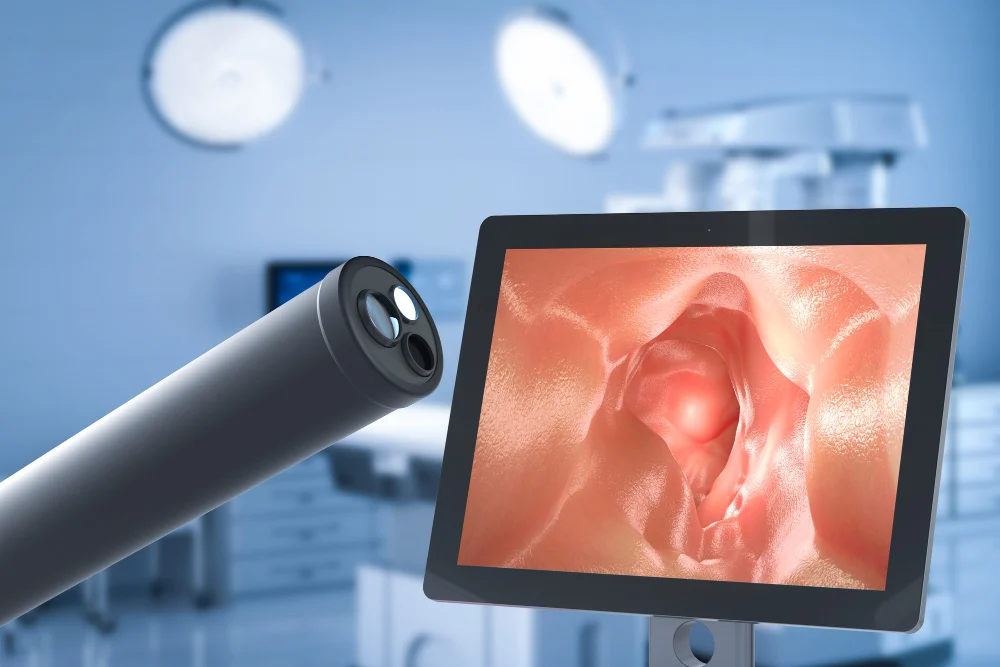
Many patients are diagnosed from their symptoms and medical history alone. When symptoms are severe, long-lasting or do not respond to treatment, your gastroenterologist may recommend a closer look at the esophagus and stomach.
An upper endoscopy lets your doctor view the lining of the esophagus directly and check for inflammation, narrowing or other changes. Esophageal testing can measure how often acid reaches the esophagus and how well the esophagus moves food along. These results help guide a treatment plan that fits you.
Treatment options for GERD
Treatment depends on how often your symptoms occur and whether the esophagus has been affected. Your plan may include one or more of the following:
- Lifestyle changes, such as smaller meals, avoiding trigger foods, not eating close to bedtime, raising the head of the bed, maintaining a healthy weight and quitting smoking
- Medications that neutralize or reduce stomach acid, used as directed by your doctor
- Follow-up testing to confirm that the esophagus is healing
- Further evaluation or referral when symptoms suggest a more complex problem
Why untreated reflux matters
Ongoing acid exposure can inflame and damage the esophagus. Over time, GERD can lead to narrowing of the esophagus that makes swallowing difficult, which may be treated with esophageal dilation. In some people, long-standing reflux is associated with changes in the esophageal lining known as Barrett’s esophagus, which is why persistent symptoms should not be ignored.
You can also browse our full list of gastroenterology services to learn about other digestive conditions and procedures we provide.
Frequently Asked Questions About GERD
What is the difference between heartburn and GERD?
Heartburn is a symptom, a burning feeling in the chest. GERD is a chronic condition in which acid reflux happens repeatedly and can irritate or damage the esophagus. Occasional heartburn is common, but frequent heartburn may point to GERD.
How do I know if I should see a gastroenterologist for acid reflux?
Schedule a visit if you have heartburn more than twice a week, if over-the-counter medicines no longer control your symptoms, or if you have trouble swallowing, unexplained weight loss, vomiting or black stools. A gastroenterologist can find the cause and recommend the right treatment.
Can GERD cause a chronic cough or sore throat?
Yes. Acid that reaches the throat can cause hoarseness, a persistent cough, throat clearing and a sensation of a lump in the throat, even when classic heartburn is mild or absent.
What tests are used to diagnose GERD?
Many people are diagnosed based on symptoms and history. If your symptoms are severe or do not improve with treatment, your doctor may recommend an upper endoscopy or esophageal testing to examine the esophagus and measure reflux.
Can lifestyle changes really help with reflux?
Often, yes. Eating smaller meals, avoiding trigger foods, not lying down soon after eating, elevating the head of your bed, maintaining a healthy weight and quitting smoking can reduce symptoms for many patients. Your doctor can help you decide which changes will help most.
Is GERD serious if it is left untreated?
Long-term reflux can inflame the esophagus, cause narrowing that makes swallowing difficult, and in some people lead to changes in the esophageal lining such as Barrett’s esophagus. Getting evaluated and treated helps protect the esophagus.
Which of your offices can I visit for GERD care?
We see patients at four offices in San Diego County: San Diego, Poway, Coronado and Chula Vista. You can choose the location that is most convenient for you when you schedule an appointment.
Take the first step toward lasting reflux relief
You do not have to live with daily heartburn. Choose the San Diego, Poway, Coronado or Chula Vista office and let our team help you find the cause and a plan that works.